Some of the best fictional surnames never existed before a writer invented them. Yet readers accept these names instantly because they sound completely natural. This guide explains how to create fictional surnames that feel authentic without copying anything real.
Why Fictional Surnames Can Still Sound Completely Believable
Believable surnames rely on familiar sound patterns, not real-world accuracy. Readers respond to rhythm and structure more than actual history, which gives writers enormous creative freedom when inventing names.
This is good news for novel writing names. You don’t need a genealogy degree to create a convincing surname, just an ear for what sounds natural inside your story’s world.
The Difference Between Realistic and Real Surnames
Realistic fictional names mimic the structure of real surnames without directly copying one. A made-up last name can borrow common endings or syllable patterns while remaining entirely original and legally distinct from existing families.
This distinction protects writers from accidentally referencing real people. Original surnames avoid uncomfortable coincidences while still giving readers that comfortable, familiar feeling realistic surnames typically provide.
How Sound Patterns Make a Fictional Name Feel Authentic
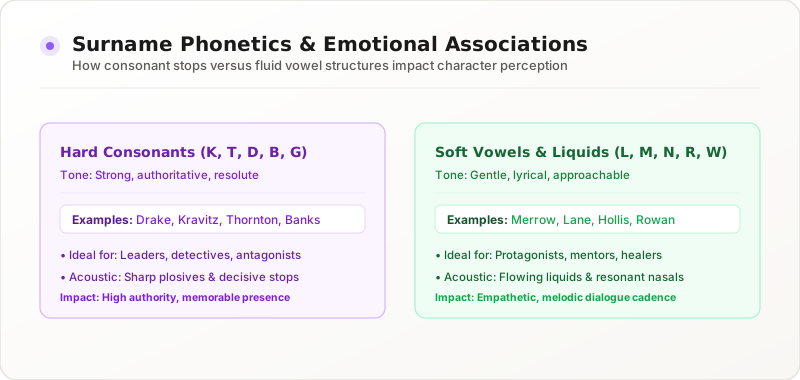
Surname phonetics matter enormously. Certain sound combinations simply feel more “surname-like” than others, based on patterns readers have absorbed from years of reading and hearing real names.
Hard consonant endings often feel strong and grounded. Softer vowel-heavy endings feel gentler or more elegant. Paying attention to this surname structure helps your invented names land exactly the way you intend.
Building Surnames From Familiar Language Elements
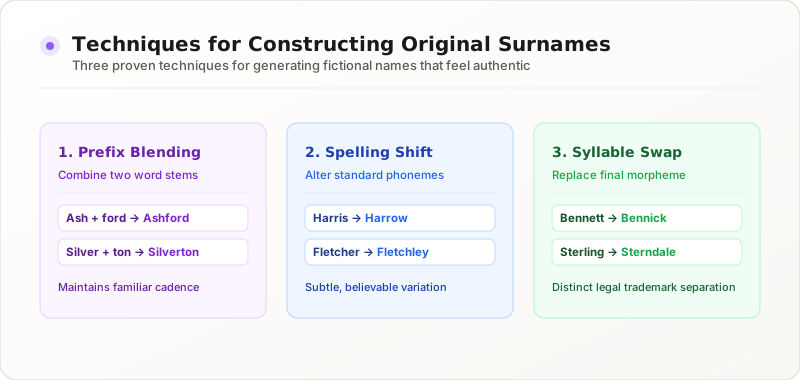
Combining recognizable word fragments creates invented surnames that still feel plausible. Blending two short syllables, borrowing familiar prefixes, or adjusting a real surname’s spelling are common surname construction techniques professional writers use.
| Technique | Example Approach |
|---|---|
| Prefix blending | Combine “Ash” + “ford” = Ashford |
| Spelling shift | Harris → Harrow |
| Syllable swap | Bennett → Bennick |
How to Avoid Accidentally Copying Existing Family Names
Always search your invented surname before finalizing it. This simple check prevents you from unintentionally reusing a real, uncommon family name that could cause confusion for real people sharing it.
This step matters most for fictional character surnames tied to villains or controversial storylines. A quick search protects both your reputation and the privacy of unrelated real families.
Creating Fictional Surnames for Different Regions
Regional consistency strengthens fictional worldbuilding. A story set in a fantasy version of Eastern Europe should use surnames with different sound patterns than one set in an invented Mediterranean region.
Researching real regional naming conventions first gives your invented family names a stronger foundation. You’re not copying real names, just borrowing the underlying sound logic that makes them feel geographically grounded.
How Spelling Can Make an Invented Surname Feel Natural
Unusual spelling can either enhance or ruin an invented surname. A slightly altered spelling of a familiar sound often reads as natural, while overly complex spelling frustrates readers and slows down the story.
Keep surname spelling simple enough to read at a glance. If beta readers stumble over pronunciation, it’s usually a sign the spelling needs simplifying before publication.
Testing an Original Surname With First Names
Always test your original character names paired together, not separately. A surname might sound great alone but clash badly once placed beside your character’s chosen first name.
Read the full name aloud in dialogue. This habit catches awkward combinations early, long before readers ever encounter the fictional character surnames in your finished manuscript.
When An Invented Surname Works Better Than a Real One
Invented surnames shine in fantasy, science fiction, and any story set outside our real world. They also work well when you need a surname free of real cultural or historical baggage tied to sensitive subject matter.
Real surnames fit best in grounded, realistic settings. Choosing between the two comes down to how much name authenticity your specific story and setting actually require.
Conclusion: Making Fictional Surnames Feel Authentic
Great fictional surnames balance originality with familiar sound patterns readers already trust. By focusing on phonetics, spelling, and careful testing, you can build believable character names that never existed before, yet feel completely real on the page.