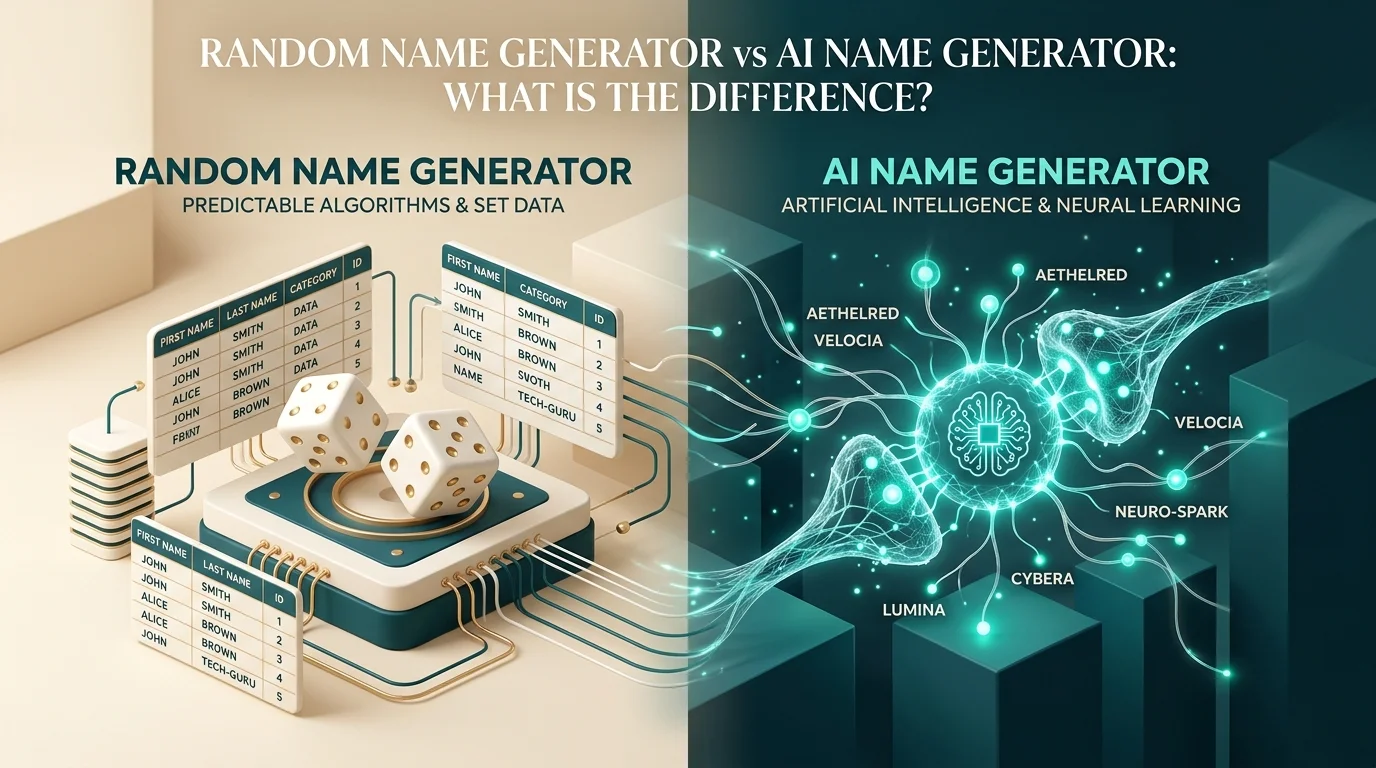
Not all naming tools work the same way. A random name generator and an AI name generator might look similar on the surface, but they operate on completely different systems. Understanding this difference helps you pick the right tool for your project.
How Random Name Generators Actually Produce Names
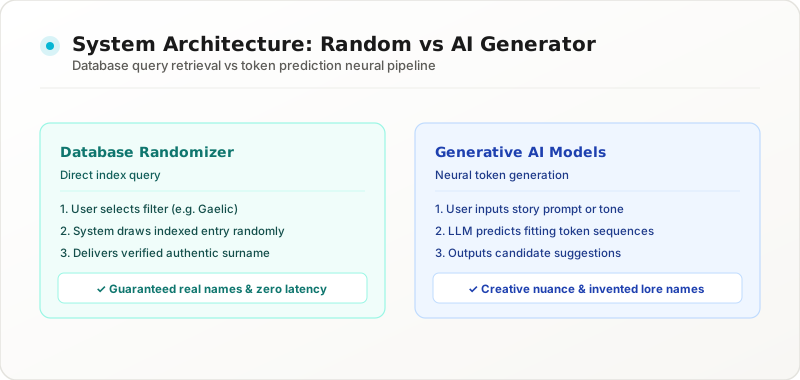
A random name generator typically pulls from a fixed list stored in a database. The tool simply selects entries at random, with no understanding of context, genre, or the specific name you’re actually looking for.
This method is fast and simple, but limited. Randomization guarantees variety, though not always relevance, since the generator has no awareness of what kind of story you’re writing.
What Makes an AI Name Generator Different?
An AI name generator uses language models to generate names based on context clues you provide. Instead of pulling from a fixed list, it predicts names that fit patterns learned from massive amounts of text data.
This gives AI generated names more flexibility. You can request a specific culture, tone, or even personality type, and the AI adjusts its suggestions accordingly, something a basic random tool simply cannot do.
Randomness Versus Context-Aware Name Suggestions
Random name generation ignores context entirely. Meanwhile, AI tools consider the details you provide, offering context-aware name suggestions tailored to genre, setting, or character traits you describe in your prompt.
This makes AI tools more useful for specific projects. If you need a surname that fits a Victorian mystery novel, an AI tool understands that request far better than a purely randomized list.
How Much Control Does Each Generator Give the User?
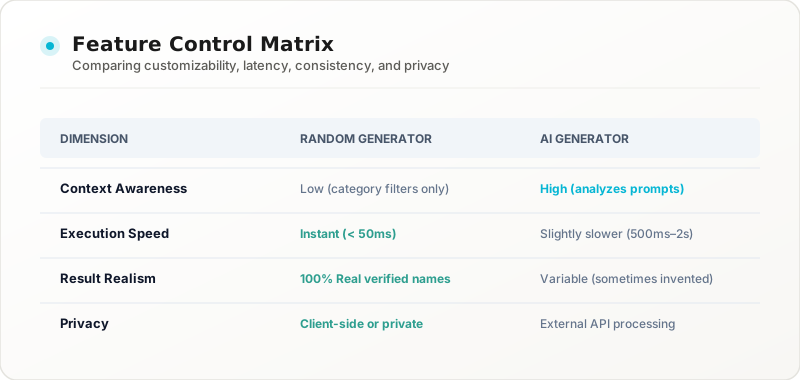
Random generators offer limited control, usually just category filters like “fantasy” or “modern.” AI naming tools allow much finer control, letting you describe tone, background, or even emotional impression directly through a prompt.
| Feature | Random Generator | AI Generator |
|---|---|---|
| Context awareness | Low | High |
| Customization | Limited filters | Detailed prompts |
| Speed | Instant | Slightly slower |
| Consistency | Variable | Pattern-based |
Which Method Works Better for Specific Naming Requirements?
For quick brainstorming, random naming tools work perfectly well. For detailed, specific needs, like matching a character’s exact personality or cultural background, AI surname generator tools generally perform better.
Neither method is objectively superior. It depends entirely on how much detail and accuracy your particular writing project actually requires at that stage.
Understanding Preset Databases and AI-Generated Names
Random tools rely on preset databases built by developers ahead of time. AI generated names aren’t pulled from a fixed list at all, they’re generated fresh based on patterns the model has learned.
This means AI tools can theoretically produce names that have never appeared in any database before, while random tools are permanently limited to whatever list they were originally built with.
Can AI Create Completely New Surnames?
Yes, generative AI names can combine sounds and structures in ways that produce entirely original surnames. This ability makes AI tools especially useful for fictional worldbuilding requiring unique, never-before-seen naming conventions.
This flexibility gives writers access to a nearly unlimited pool of synthetic names, something a static random generator database simply cannot match no matter how large its original list was.
Accuracy, Variety, and Repeat Results Compared
Random generators often repeat results once their database runs low on unused entries. AI tools generally offer more variety since they generate new combinations rather than reusing a fixed, finite list.
However, AI results can occasionally feel less “clean” or more unusual than expected. Random tools, by contrast, tend to produce more predictable, database-verified results every single time.
Privacy and Data Considerations When Using Online Generators
Some AI naming tools may process your input through external servers, which matters if you’re naming sensitive or confidential characters tied to unpublished work you want to protect.
Always check a tool’s privacy policy before using it for professional projects. This applies to both random and AI-based generators, though data handling practices can vary significantly between platforms.
Conclusion: Understanding Two Different Name-Generation Methods
Random and AI name generator tools solve different problems. Random tools offer speed and simplicity, while AI tools offer context and flexibility. Choosing between them depends on how specific and detailed your naming needs really are.