Surnames aren’t always a single word. Hyphenated last names and double surnames appear across many cultures and family situations, often confusing writers and researchers unfamiliar with their structure. This guide breaks down exactly how they work.
What Is a Hyphenated Last Name?
A hyphenated surname joins two family names together with a hyphen, like Smith-Jones. This format usually signals a combination of two family lines, often chosen during marriage or passed down through family naming traditions.
Hyphenation keeps both names visually and grammatically connected. Unlike simply listing two names side by side, the hyphen shows readers these two surnames function together as a single unit.
How Double Surnames Differ From Hyphenated Names
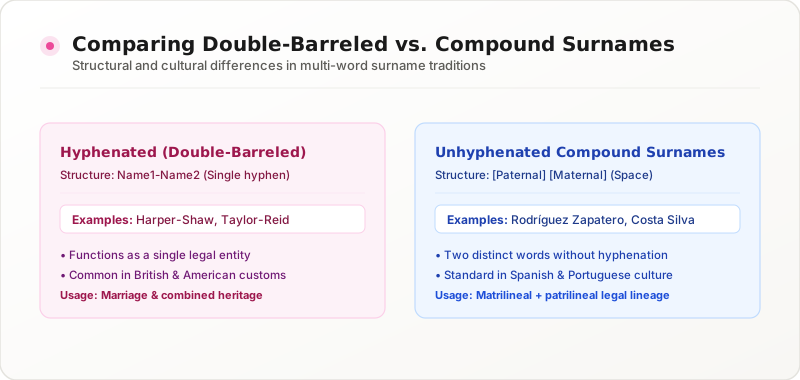
Double surnames aren’t always hyphenated. Many cultures use two separate family names without any punctuation joining them, a tradition common in Spanish and Portuguese-speaking countries around the world.
This distinction matters for accuracy. A double-barreled surname specifically refers to the hyphenated version, while a general double surname might simply be two words written side by side.
Why Families Use Two Last Names
Families combine surnames for several reasons: preserving both parents’ family names, honoring cultural traditions, or simply personal preference during marriage. Marriage surnames are the most common modern reason in Western countries.
Some cultures use double surnames automatically, regardless of marriage. This reflects deeper naming customs tied to inheritance, lineage, and family identity that go back many generations in certain regions.
How to Format Hyphenated Surnames Correctly
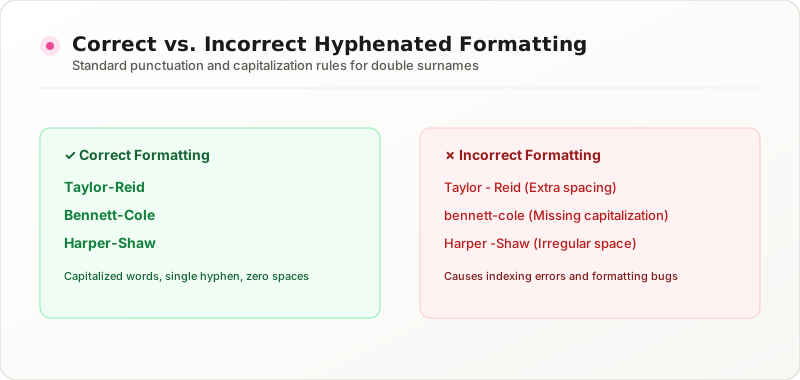
Proper formatting keeps a hyphenated surname consistent everywhere it appears. Both parts should be capitalized, joined by a single hyphen, with no spaces on either side, following standard surname punctuation rules.
| Correct Format | Incorrect Format |
|---|---|
| Taylor-Reid | Taylor - Reid |
| Bennett-Cole | bennett-cole |
| Harper-Shaw | Harper -Shaw |
Choosing the Order of Two Family Names
Order matters more than people realize. Some families place the more well-known name first, while others follow alphabetical order or simply personal preference. This surname order decision often carries emotional weight for families.
For fictional characters, order can subtly signal which family line matters more to that character’s identity, giving writers a small but meaningful tool for character surnames development.
How Double Surnames Work in Character Naming
Hyphenated names work well for characters from blended families or cultures where compound surnames are standard practice. They also add realism to multicultural or modern family settings within your story.
Be careful not to overuse this technique. Too many hyphenated names in one story can feel repetitive or distract readers from more important story elements happening around your characters.
Hyphenated Surnames in Different Naming Traditions
Naming conventions around double surnames vary widely by culture. Spanish traditions typically include both parents’ family names without hyphenation, while British and American traditions favor the hyphenated format instead.
Researching your character’s cultural background ensures your fictional double surnames feel authentic. Mismatched formatting can quietly break immersion for readers familiar with real-world naming traditions.
Common Formatting Problems With Double Last Names
Writers often forget consistency across a manuscript, switching between hyphenated and non-hyphenated versions of the same character’s name. This small error creates confusion and looks unprofessional to careful readers.
Databases and forms also struggle with hyphenated names, frequently truncating or misreading them. This is worth considering if your fictional world includes digital systems referencing your characters’ names.
How Long or Complex Surnames Affect Name Combinations
Long hyphenated surnames paired with long first names can feel clunky in dialogue. Balancing surname length against first name length keeps surname combinations readable and natural when spoken aloud.
Shorter first names generally pair better with hyphenated surnames. This balance prevents character names from becoming a mouthful every time they appear in dialogue or narration throughout your story.
Conclusion: Understanding Double and Hyphenated Surnames
Hyphenated last names and double surnames add realism and cultural depth to character naming. Understanding formatting, order, and cultural context ensures these names feel authentic rather than confusing, strengthening both real-world accuracy and fictional believability alike.