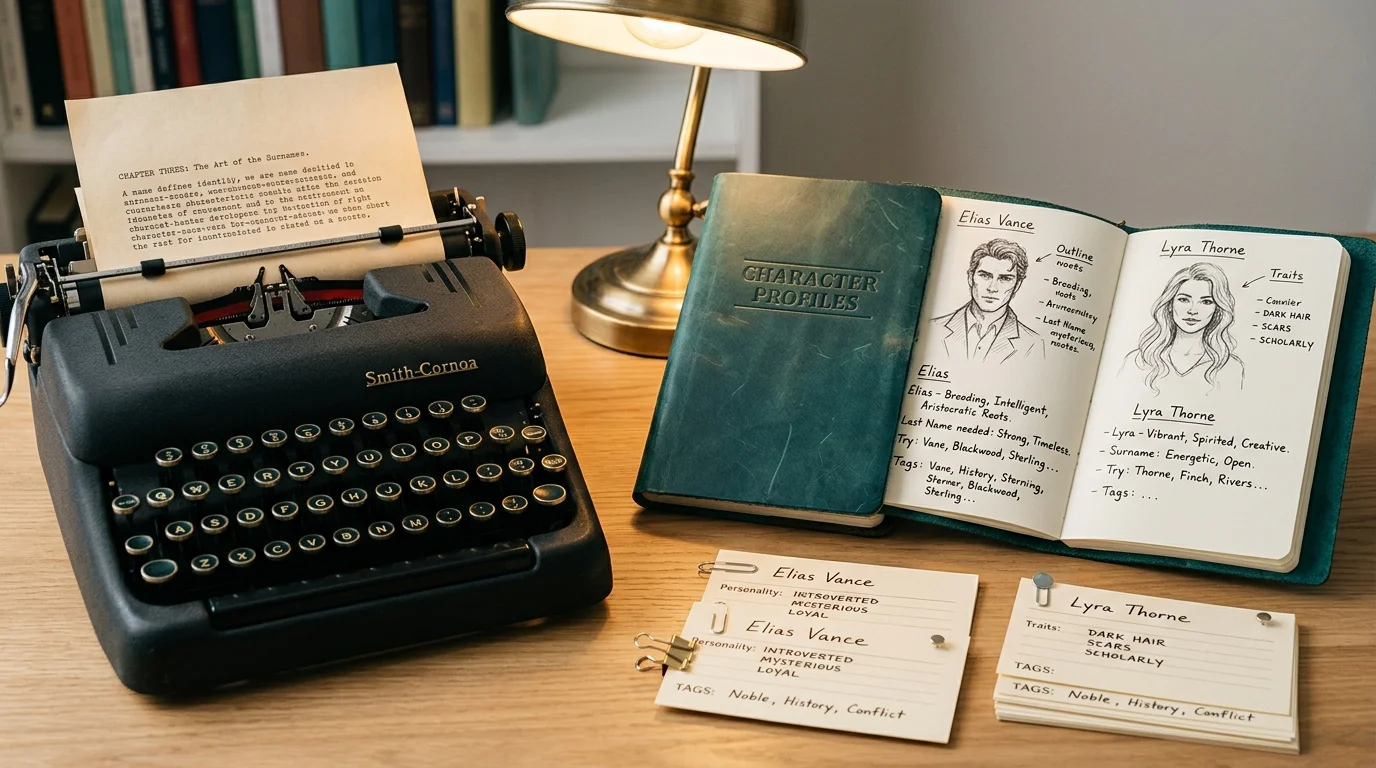
Picking a surname for your story is harder than it looks. A weak name can make readers forget your hero in seconds. A strong one sticks in their mind for years. Character naming shapes how readers feel about your book characters before they even finish page one. This guide walks you through how to choose a last name for a character, step by step, in plain and simple language.
What Makes a Last Name Feel Right for a Character?
A good surname matches your character’s voice. It should feel natural when spoken out loud, not forced or clunky. This is the heart of any solid character naming guide: sound, rhythm, and meaning all work together. Fictional last names should never fight against the first name or confuse the reader.
Think about your character’s character identity first. Are they quiet and gentle, or loud and bold? A soft-sounding surname suits a shy character. A strong surname suits someone tough. This is exactly how to make a character name realistic without overthinking it.
How Character Age and Background Affect Surname Choice
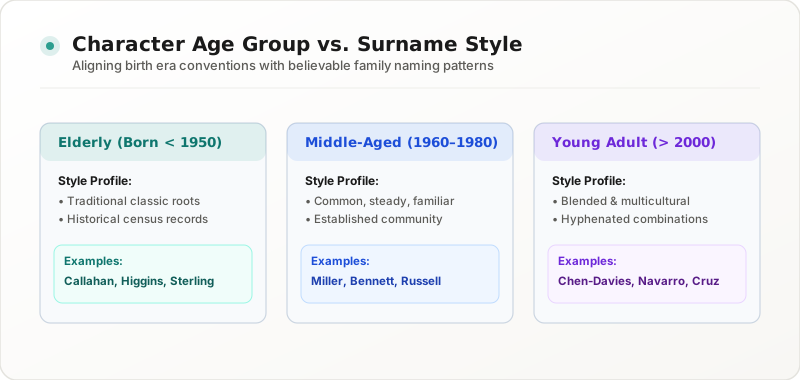
Older characters usually carry surnames common in their birth decade. A grandmother born in 1940 won’t have a surname that sounds trendy today. This detail matters a lot for realistic character names and believable character backstory.
Family history also plays a role. Immigrant families often kept, shortened, or changed their family surnames over generations. A character profile built with this history feels layered and real. This small effort makes character development feel earned, not accidental.
| Character Age Group | Surname Style That Fits |
|---|---|
| Elderly (born before 1950) | Classic, traditional, old-fashioned |
| Middle-aged (born 1960–1980) | Common, steady, familiar |
| Young adult (born after 2000) | Modern, blended, varied origins |
Choosing Last Names for Different Fiction Genres
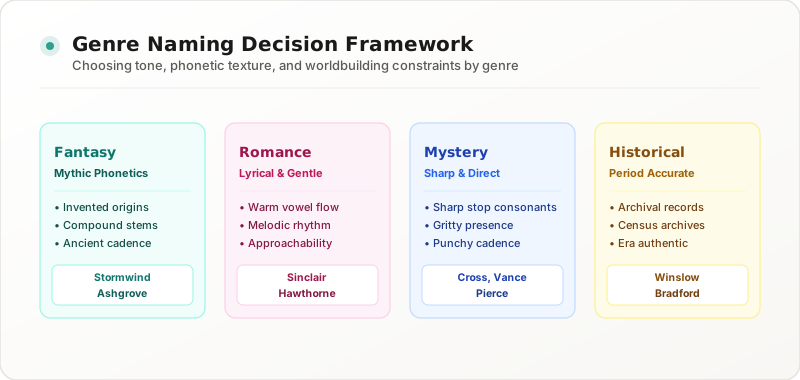
Genre changes everything about surname selection. Fantasy surnames often sound invented or tied to a made-up world, like Stormwind or Ashgrove. Romance character names usually sound warm and easy to say, since readers need to enjoy repeating them.
Mystery character names work best when they feel plain or slightly ominous. Historical character surnames must match real records from that era. Genre naming isn’t just style, it’s a promise to your reader about the kind of story they’re entering.
How to Match a Surname With a Character’s First Name
First and last name combinations need balance. If the first name is short, a longer surname often sounds better. Say the full name out loud before locking it in. This simple habit is one of the best character naming tips any writer can use.
Watch out for accidental rhymes or repeated sounds, unless you want a comic effect. Also check the initials. Nobody wants their protagonist names to spell something silly by accident. These small checks separate amateur writing from believable surnames used by seasoned book characters.
Common Mistakes When Naming Fictional Characters
Many new writers pick fictional surname ideas that are too on-the-nose, like naming a villain “Grimm.” It can work occasionally, but overuse feels lazy. Another mistake is using anachronistic surnames, meaning names that didn’t exist yet during the story’s time period.
Confusing similar-sounding surnames is another trap. If your antagonist names and supporting character names all start with the same letter, readers get lost fast. Cultural accuracy also matters. Borrowing a surname without understanding its origin can feel careless or disrespectful to real communities.
How Setting and Time Period Influence Last Names
Historical setting and contemporary setting stories need very different surname pools. A story set in 1800s Boston needs novel character names tied to that region’s immigration waves. A modern story setting in Los Angeles might blend dozens of cultural backgrounds naturally.
Regional differences inside the USA matter too. Southern modern surnames often differ from West Coast or Northeast patterns. Writers researching fictional worldbuilding should check historical census records for accuracy, since these documents reveal real naming trends from any decade.
How to Avoid Overused Fictional Surnames
Some story character names appear so often they lose their punch. Smith, Black, Stone, and Steele show up constantly across literary names. Readers notice repetition, even if they can’t explain why a name feels tired.
Instead, dig for uncommon surnames that are still easy to pronounce. Distinctive surnames don’t need to be strange, just less common. A quick trick is browsing old phone directories or genealogy sites for surname inspiration that feels fresh but grounded.
When Should a Character Have a Rare or Unusual Last Name?
Rare last names work well when you want a character to stand out immediately, often in fantasy surnames or sci-fi settings. They signal mystery, otherness, or importance. A unique character surname idea can hint at hidden backstory before a single line of dialogue.
However, balance matters. If a name is too hard to read, readers will stumble every time it appears. Dramatic surnames should still pass the readability test. Save truly mysterious surnames for characters meant to intrigue, not confuse.
How to Test Whether a Fictional Surname Sounds Natural
Read the full name aloud, in a full sentence, with dialogue attached. This test reveals awkward sounds instantly. Natural sounding names flow smoothly when spoken, not just when written on a page.
Try it inside dialogue: “‘Wait,’ said Officer Callahan.” Does it feel real? Ask a friend to read it too. Outside opinions catch problems writers often miss. This final check is one of the simplest writer tools available, and it costs nothing but a few minutes.
Conclusion
Choosing the right surname takes more thought than most writers expect, but it pays off. From character naming ideas to genre rules, age, and setting, every detail shapes how real your fictional families feel. Use these character naming examples as a starting point, test names aloud, and trust your ear. A well-chosen surname doesn’t just label a character, it brings them to life.